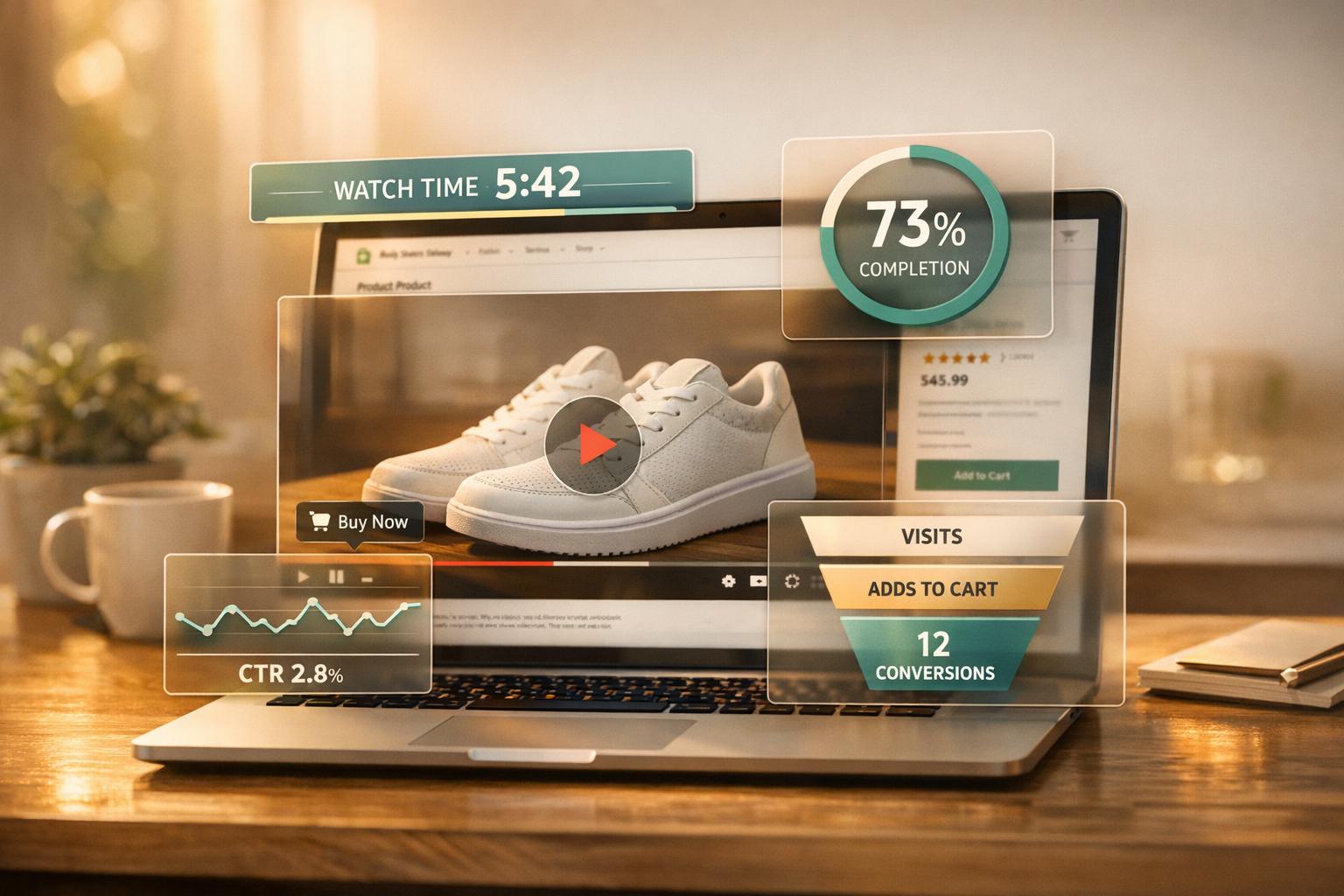
Shoppable videos are transforming online shopping. By embedding clickable product links directly into video content, they simplify the buying process into a "see-click-buy" flow. This approach boosts conversions, shortens the customer journey, and keeps viewers engaged longer. Key points include:
- 30% higher conversion rates compared to standard videos.
- 41% of viewers make purchases after watching shoppable content.
- 9x growth in purchase intent due to interactive elements.
- Viewers spend 47% more time engaging with interactive videos.
These videos reduce cart abandonment by removing unnecessary steps and provide instant purchasing options. Popular among platforms like TikTok Shop, which generated $9 billion in 2024, shoppable videos are becoming a core part of e-commerce strategies. For businesses, tools like UWidget and CheckIt make it easy to integrate shoppable videos into platforms like Shopify, offering a smoother shopping experience and measurable results.
Get 10X Higher Conversions in ONE EASY STEP
Research Findings on Shoppable Videos and Consumer Behavior
Studies highlight how shoppable videos are changing the way customers engage with products online. The data points to notable improvements in three key areas: conversion rates, purchase intent, and completed transactions. These shifts emphasize the growing influence of shoppable videos on buying habits.
30% Boost in Conversions
Shoppable videos drive a 30% increase in conversions. By embedding product tags directly into the video, they eliminate the need for a lengthy, multi-step process. Instead of watching a video, searching for the product, navigating to a product page, and then adding it to a cart, viewers can simply click on the product tag and purchase instantly. This seamless "see, click, purchase" flow reduces friction and keeps customers engaged throughout the buying process. Features like interactive hotspots and product overlays further pique curiosity, with some brands reporting completion rates as high as 90%.
9x Growth in Purchase Intent
Purchase intent skyrockets - nine times higher, to be exact. This surge is largely due to how interactive elements speed up the buying process, cutting the customer journey down by six days.
Shoppable videos also enhance trust through visual confirmation. 78% of U.S. viewers believe YouTube creators are the most trusted source for product recommendations. When these trusted creators use shoppable formats, the combination of credibility and ease of use encourages immediate action. Embedded product tags reduce hesitation, helping to combat cart abandonment. These insights shed light on the psychological factors that drive consumer engagement.
41% of Viewers Make Purchases
An impressive 41% of viewers go on to make a purchase. This figure surpasses standard e-commerce benchmarks, as shoppable videos capture customers at the peak of their interest - right when they’re fully immersed in a product demonstration or story.
Interactive videos also increase viewer engagement by 47% and extend on-site time by four times. Brands leveraging this format report click-through rates 2-4 times higher than those using traditional product videos. The impact is clear: video commerce leaders generate 43% of their total Gross Merchandise Value through video content.
Psychological Factors Behind Shoppable Video Effectiveness
To understand why shoppable videos are so effective, it’s important to dive into the psychology behind them. Three main factors drive their success: they remove barriers to purchase, satisfy the need for instant action, and build emotional connections through relatable, engaging content.
Reducing Friction in the Purchase Process
Traditional online shopping can feel like a marathon. You watch a video, search for the product, navigate to its page, add it to your cart, and then - finally - check out. Each step is an opportunity for hesitation or distraction. It’s no surprise that roughly 70% of consumers abandon their shopping carts due to complicated or drawn-out processes.
Shoppable videos simplify this journey. With a single click, viewers can buy instantly, acting on impulse without overthinking. This streamlined approach is powerful: businesses that use product feeds in video action campaigns report over 60% higher conversions at a lower cost.
The numbers back this up. Between 17% and 18% of potential buyers drop off because of overly long or confusing checkout steps. Shoppable videos tackle this issue head-on by integrating one-tap checkout or direct "add to cart" buttons right into the video. This seamless experience removes technical hurdles, encouraging viewers to take immediate action and engage more deeply.
Instant Engagement Through Interactive Elements
Reducing friction is just one piece of the puzzle. Shoppable videos also stand out because they actively engage viewers with interactive features. Clickable elements transform passive watching into active participation, making the experience more memorable.
Here’s where the concept of mental simulation comes into play. Interactive videos allow viewers to imagine themselves using the product, offering a sensory experience that static images simply can’t match. Whether it’s clicking to explore different colors or seeing how a product works in real time, this hands-on interaction helps viewers "try" the product mentally before committing to buy.
This level of engagement has a noticeable impact. Viewers spend 47% more time watching interactive videos compared to traditional ones. A great example is Ted Baker’s "Keeping Up with the Bakers" campaign. By weaving clickable products into the storyline of their eight-episode sitcom, they achieved a 30% increase in sales.
Building Trust Through Visual Storytelling
Another reason shoppable videos resonate is their ability to showcase products in a way that feels real and trustworthy. Videos provide a level of transparency that reduces skepticism and boosts confidence in the product.
The trustworthiness of the video’s source plays a major role here. 78% of U.S. viewers consider YouTube creators the most trusted for product recommendations, outshining other social media platforms. This trust speeds up decision-making, as viewers lean on these creators to validate their choices.
As Celia Salsi, Director of Product at YouTube Ads Marketing, explains: "YouTube's influence cuts down the average online video shopper's journey by six days".
Storytelling takes this trust to the next level. By showing the people, places, and processes behind a product, narrative-driven videos create a connection that static product shots can’t. Puma’s collaboration with Google Cloud is a perfect example. They personalized product imagery by region - like featuring shoes on the streets of Ginza for Japanese audiences - and saw earnings-per-click 24 times higher than industry norms. These personalized stories resonate emotionally, making the content far more engaging than generic product videos.
Case Studies: Brands Using Shoppable Videos
Real-world examples show how shoppable videos can drive both engagement and conversions. These case studies highlight how brands have successfully turned interactive videos into tangible business results.
Fashion Floor: Turning Views into Purchases
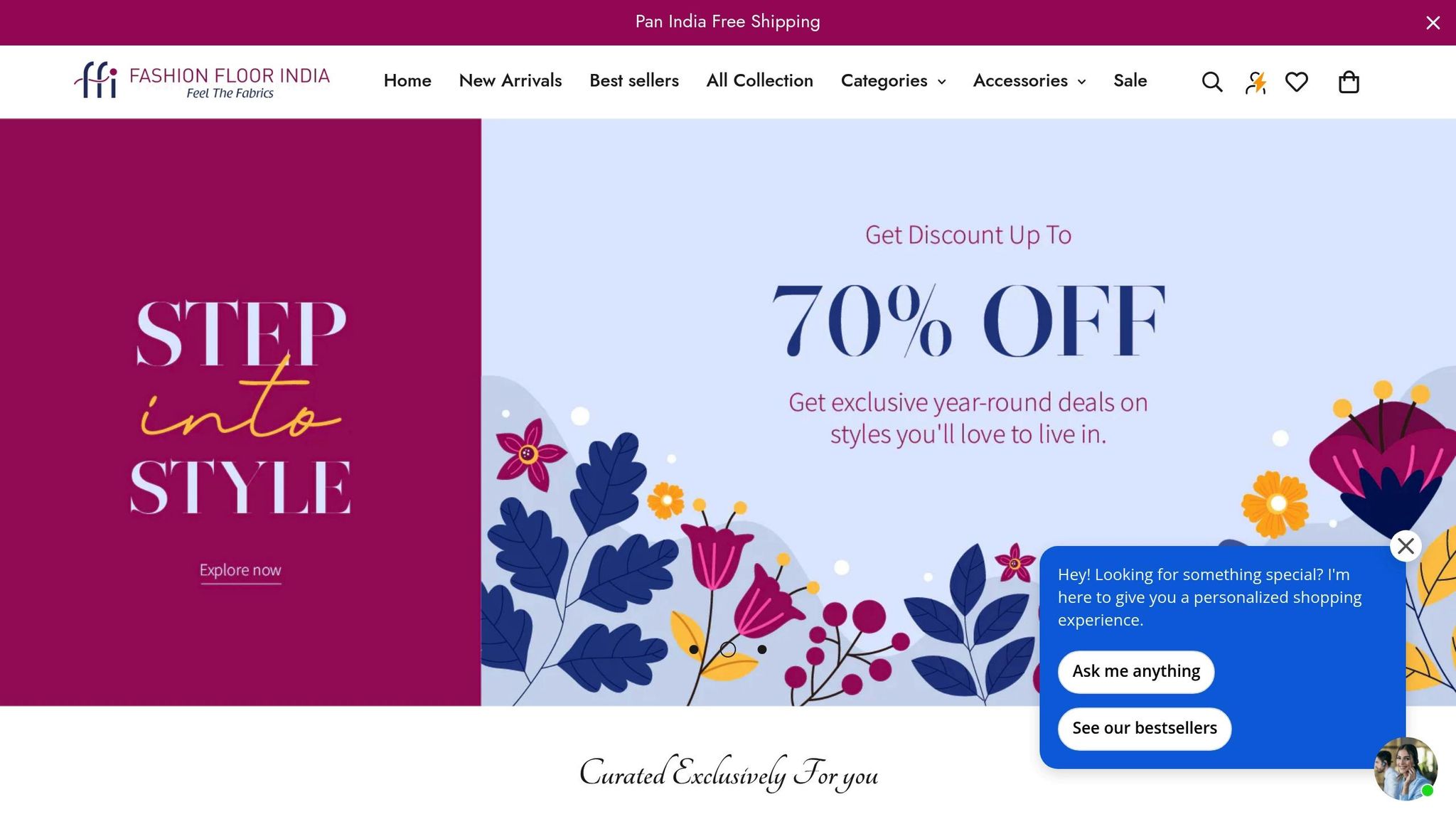
Fashion Floor saw immediate success by embedding shoppable videos directly on their product pages. These videos featured clickable product links, making it easy for customers to add items to their carts without any extra steps. This seamless shopping experience not only simplified the process but also led to noticeable improvements in conversion rates.
ASOS: Engaging Shoppers with Interactive Elements
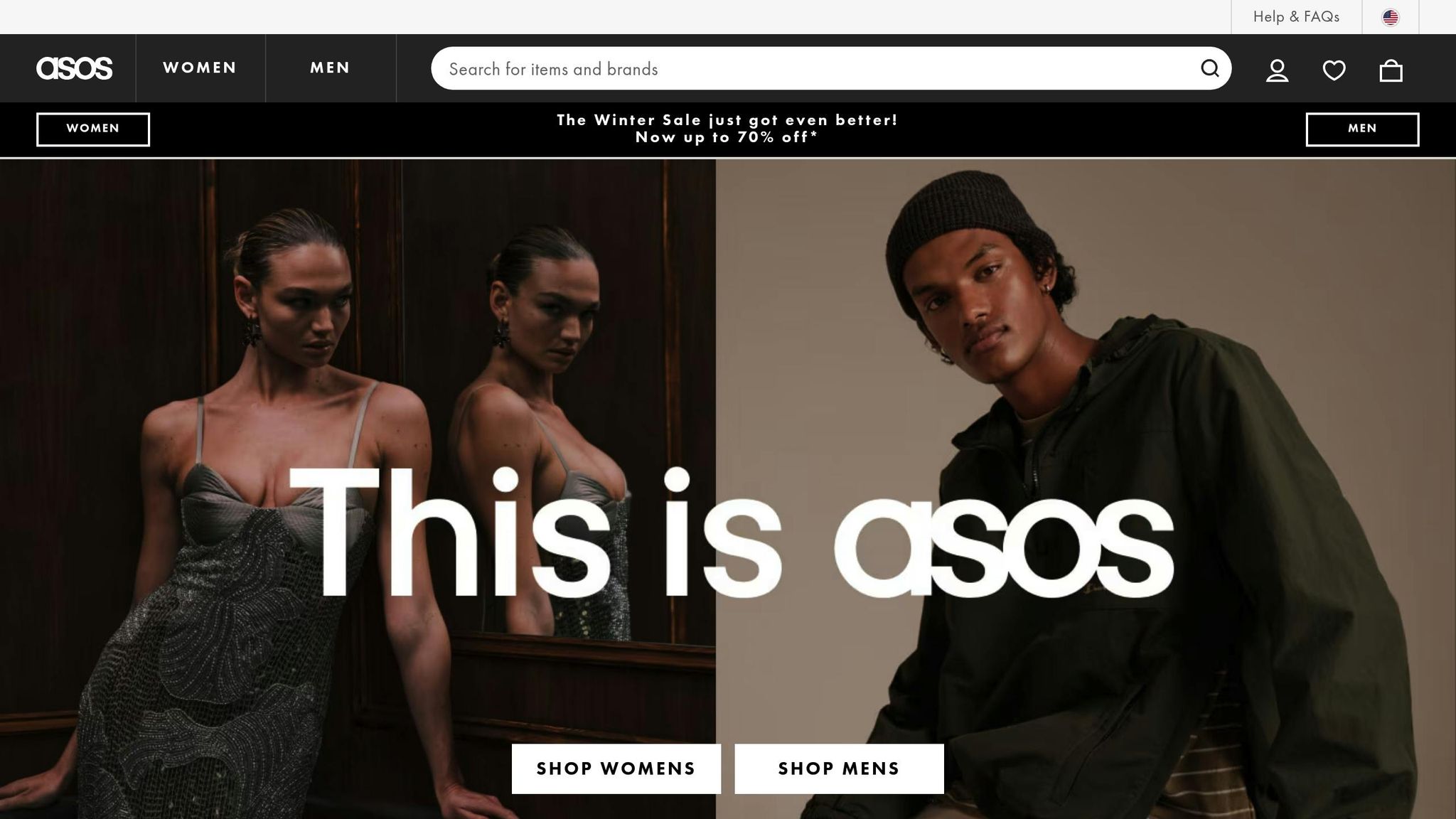
ASOS took the shopping experience to the next level by adding interactive features to their shoppable videos. Clickable hotspots and overlays displayed product details and included "Add to Cart" buttons, all within the video itself. This approach allowed viewers to explore products and make purchasing decisions without ever leaving the video, creating a faster and more engaging shopping journey.
sbb-itb-d9e5b3a
Shoppable Videos vs. Traditional Videos: Performance Comparison

Shoppable Videos vs Traditional Videos Performance Comparison
When you compare shoppable videos to traditional ones, the numbers tell a powerful story. Traditional videos are great for building awareness, but they come with a drawback: viewers need to leave the video to make a purchase. This extra step often results in a staggering 80% cart abandonment rate.
Shoppable videos, on the other hand, remove these hurdles. Viewers spend 47% more time watching interactive shoppable videos compared to traditional ones. Even better, shoppable videos deliver 2-4 times higher click-through rates than traditional product videos.
This increased engagement translates directly into sales. While traditional videos offer an 80% conversion lift over static images and text, shoppable videos go further, boosting conversions by 30-70% compared to traditional video formats. They also keep users on-site much longer - four times as long, to be exact - and achieve video completion rates of up to 90%.
Performance Metrics Table
Here’s a side-by-side look at how traditional and shoppable videos stack up across key performance metrics:
| Metric | Traditional Video | Shoppable Video |
|---|---|---|
| Conversion Rate Lift | ~80% (vs. static text) | 30-70% (vs. traditional video) |
| Watch Time / Engagement | Baseline | 47% increase |
| Click-Through Rate | Baseline | 2-4 times greater |
| Purchase Intent | Baseline | 9x Increase |
| User Activity | Passive | 591% Increase |
| On-Site Time | Baseline | 4x Longer |
| Video Completion Rate | Lower | Up to 90% |
The results are clear: shoppable videos outperform traditional ones across every important metric. By transforming passive viewers into active shoppers, they simplify the buying process, benefiting both customers and businesses.
How Shopify Store Owners Can Use Shoppable Videos

Adding shoppable videos to your Shopify store is easier than ever. With the right tools integrated into your store, you can create engaging, interactive content that drives sales. Video content is already widely embraced, and the tools to make videos shoppable are now more accessible than ever. Here's how you can get started.
Tools for Implementing Shoppable Videos
To build a strong shoppable video strategy, you’ll need to connect your video content directly to your product catalog. Tools like UWidget make this process simple. UWidget allows you to embed YouTube videos as galleries, carousels, sliders, or even sticky videos that follow users as they browse your store. This ensures customers can engage with your videos without interrupting their shopping flow.
For mobile optimization, stick to vertical 9:16 formats, include tap-friendly interactive elements, and keep videos under 30 seconds . Place calls-to-action strategically, such as when the product’s value is clear, and use direct prompts like “Tap to shop” to guide viewers .
Improving Customer Experience and Sales
Once your shoppable videos are live, enhance the customer experience with tools that turn engagement into conversions. Shoppable videos grab attention, but additional features can help lock in sales. For instance, CheckIt adds a progress bar during checkout, helping to reduce cart abandonment. Similarly, ILikeThat enables customers to save products they discover in your videos, creating wishlists that encourage repeat visits and future purchases.
Track metrics like click-through rates, video-to-cart conversions, and watch time to measure success. Interactive videos are particularly effective, with viewers spending 47% more time engaging with them. Additionally, 41% of viewers make purchases after watching shoppable content . By identifying the moments that drive the most engagement, you can fine-tune your content and maximize results. Even small adjustments to video quality or placement can have a big impact on your sales.
Conclusion
Research shows that shoppable videos are changing the way customers shop online. These videos are a game-changer, driving 9x higher purchase intent, boosting conversions by 30%-34%, and increasing engagement times by 47%.
By simplifying the process from "see, search, and buy" to "see, click, and buy", shoppable videos cut out unnecessary steps where customers often lose interest. This streamlined approach addresses a common issue: 17%-18% of potential customers abandon their purchases due to overly complicated checkout processes. The result? A smoother experience that directly translates to higher revenue.
For Shopify merchants, the numbers speak for themselves. 89% of people make purchases after watching brand videos, and 41% of viewers convert after engaging with shoppable content. Live shopping takes it even further, delivering 49% higher average order values.
Tools like UWidget make it easy to embed interactive videos directly into your store, creating a seamless shopping experience. Other apps, such as CheckIt and ILikeThat, further enhance the customer journey, from discovery to checkout.
As the demand for interactive, shoppable content grows, new technologies like AI-driven personalization and AR integration are set to push the boundaries even further. By starting now, businesses can test shoppable videos, monitor key metrics, and fine-tune their strategies to stay ahead of the curve. Early adopters will be well-positioned to reap the rewards.
FAQs
How do shoppable videos increase conversion rates in e-commerce?
Shoppable videos bring a new level of convenience to online shopping by integrating clickable product tags directly into the video itself. These tags let viewers check out and buy items instantly without leaving the video, making the buying process smoother and more intuitive.
Studies reveal that this interactive format can increase e-commerce conversion rates by about 34% compared to standard videos. By transforming passive viewing into an engaging, action-oriented experience, shoppable videos encourage faster purchase decisions and help businesses achieve higher sales.
Why are shoppable videos so effective at driving online purchases?
Shoppable videos blend captivating storytelling with the convenience of instant shopping, turning what used to be passive viewing into an engaging, interactive experience. With just a click, viewers can explore product details - like colors, sizes, or features - right within the video. This eliminates extra steps, making the shopping journey feel effortless and natural.
What makes this format so effective? It simplifies decision-making. By showcasing products in action, these videos help customers imagine how they’d use them, easing the mental effort required to choose. This visual context boosts confidence and encourages purchases. Plus, the ability to buy instantly taps into those spur-of-the-moment buying urges, creating a smooth “see it, want it, buy it” flow. The interactive aspect also fosters trust, as viewers often see the products as popular or socially endorsed.
For Shopify merchants, tools like Fractal Apps: Exclusive Shopify Apps' UWidget make integrating shoppable video elements into product pages a breeze. This not only enhances engagement but can also drive higher conversions and increase average order values.
How can Shopify store owners use shoppable videos to increase sales?
Shoppable videos are an excellent way to capture attention and encourage purchases. To get started, pick a Shopify-compatible app that lets you add clickable product tags or hotspots to your videos. Tools like UWidget simplify the process of integrating these interactive videos into your store.
Keep your videos short and engaging - aim for under 60 seconds - and focus on showcasing your products in action. Use interactive tags that link directly to product pages or even allow instant checkout, creating a smooth shopping experience for viewers. Place these videos on high-traffic areas, like your homepage or product pages, to ensure they get noticed.
Don’t forget to track performance. Use the app’s analytics to monitor views, clicks, and conversions. Use this data to refine your approach and improve results over time. With the right execution, shoppable videos can be a game-changer for boosting engagement and sales on your Shopify store.