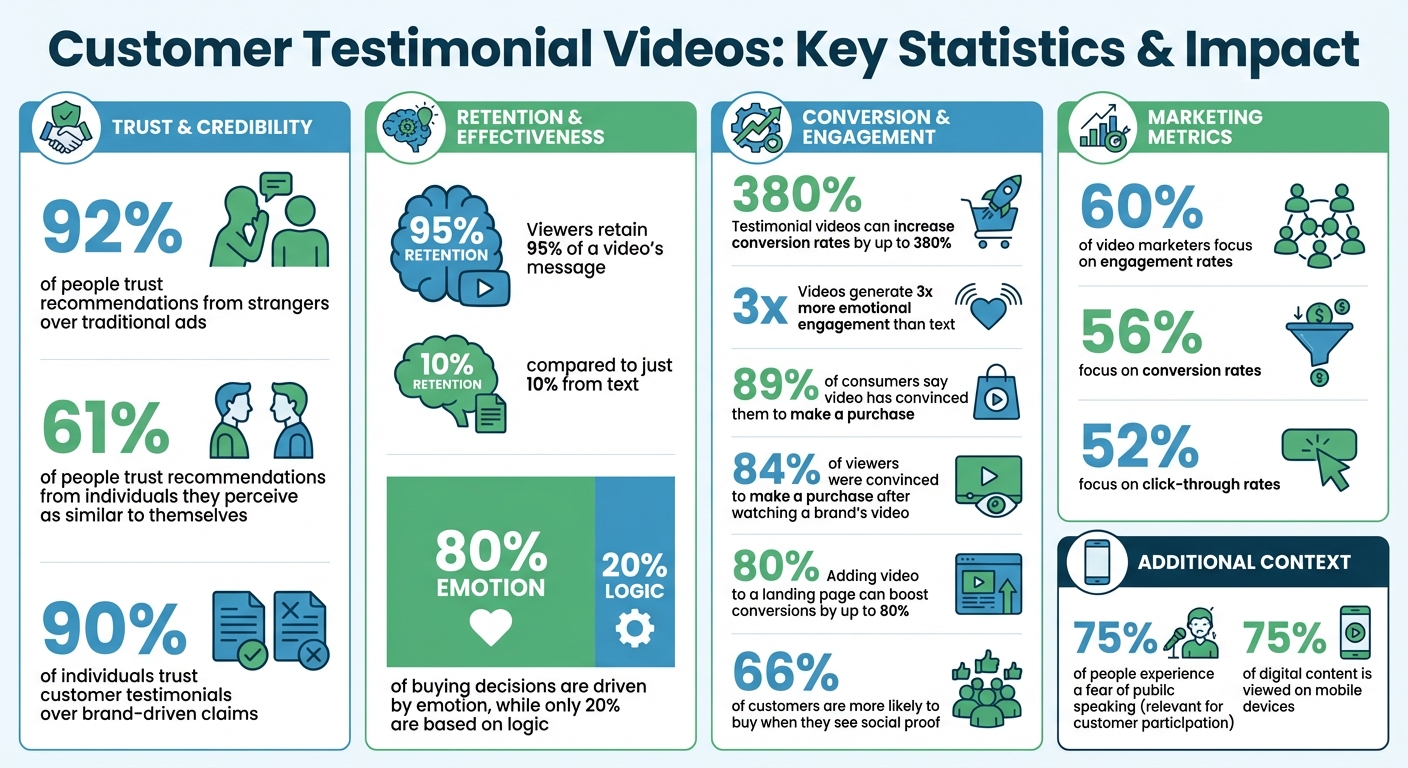
Trust drives purchases. And when it comes to online shopping, customer testimonial videos are one of the most effective ways to build trust. Why? Because 92% of people trust recommendations from strangers over traditional ads. These videos showcase real customers sharing their experiences, helping potential buyers feel confident about their decisions.
Key Takeaways:
- Conversion Boost: Testimonial videos can increase conversion rates by up to 380%.
- Emotional Connection: Videos generate 3x more emotional engagement than text.
- Memorability: Viewers retain 95% of a video’s message compared to just 10% from text.
How to Get Started:
- Pick the Right Customers: Focus on those with measurable results and relatable stories.
- Keep it Natural: Avoid scripts; use open-ended questions to encourage honest responses.
- Structure the Story: Highlight the problem, solution, and results.
- Professional Basics: Prioritize clear audio, good lighting, and simple editing.
Where to Use Testimonial Videos:
- Product pages
- Checkout pages
- Social media
- Email campaigns
By placing these videos strategically and ensuring they feel genuine, you can turn customer stories into powerful tools that drive sales and build credibility.
Customer Testimonial Video Statistics and Impact on Conversions
Testimonial Video Formula | CREATE AN EPIC VIDEO
How to Choose the Right Customers for Testimonials
Pick customers who can share clear, measurable stories that highlight the real-world value of your product.
Finding the Best Candidates
Start with your most enthusiastic customers - those who have seen tangible results. Look for people who can say things like, "We boosted sales by 30%" or "We saved 10 hours each week", rather than offering generic compliments.
Choose customers who reflect your target audience. When prospects see testimonials from people in similar roles or industries, it’s easier for them to imagine achieving the same results.
Relatable customer stories also reduce a prospect's hesitation to buy. They can see that others have successfully used your product to solve similar challenges.
Here’s a powerful stat: 61% of people trust recommendations from individuals they perceive as similar to themselves.
Diversity is another important factor. Include testimonials from both executives and end-users. Executives lend credibility, while end-users provide detailed insights. Highlight customers from various departments - like Sales, Finance, and Marketing - to address different pain points. For instance, in April 2023, Amazon’s "Fulfillment by Amazon" campaign featured multiple business owners, including one who achieved 800% growth. By showcasing specific results from relatable sellers, Amazon motivated other businesses to join their platform.
The best testimonials come from customers who share specific details about how your product has helped them. For example, someone saying, "The inventory tracking feature prevented stockouts during our holiday rush", carries more weight than a vague compliment. It’s also essential to consider their comfort level. You’ll want people who are confident on camera or open to a little coaching. Keep in mind that 75% of people experience a fear of public speaking, so be ready to address concerns like camera shyness.
Timing is everything. Ask for testimonials right after a customer has had a positive experience - such as completing a successful project, hitting a key milestone, or receiving excellent customer service. For B2B companies, you might even include a clause in your sales contract for testimonial participation while your leverage is strongest.
Once you’ve identified the right people, the next step is to ensure their stories feel authentic and unscripted.
Making Sure Testimonials Feel Genuine
Authenticity is what separates impactful testimonials from those that feel overly polished or fake. The secret? Let your customers speak in their own words. 92% of consumers trust recommendations from individuals - even strangers - over brand messaging, but only when those recommendations feel sincere.
Don’t script the responses. Instead, share open-ended questions in advance to encourage natural, honest answers. Ask for complete sentences so their responses are easier to edit later.
Embrace the little imperfections - they make testimonials feel more real. For example, in April 2023, Salesforce featured Stephanie Herrera in a testimonial video that highlighted her personal journey. Rather than focusing solely on software features, the video positioned the brand as part of her success story, making it relatable to potential customers.
Encourage your customers to share specific metrics and details. Statements like, "Our team saved 10 hours per week", are far more convincing than vague claims like, "It saves us time". FreshBooks nailed this approach by featuring "Sarah", a small business owner who represented their ideal customer. Her relatable story and honest insights made her testimonial far more trustworthy than generic marketing language.
Finally, steer clear of offering incentives or payments for testimonials. Doing so can undermine credibility and even lead to legal issues. By keeping the process authentic, you set the stage for testimonials that resonate deeply with your audience.
Creating Effective Testimonial Content
Once you've chosen the right customers, the next step is crafting content that tells a story people can connect with and inspires them to take action.
Preparing Customers with the Right Questions
Send your questions to customers a few days before filming. This gives them time to think through their responses, gather key data, and feel more at ease when the camera starts rolling.
Ditch the script. Sticking to a rigid script often leads to stiff, unconvincing answers. Instead, ask open-ended questions that encourage authentic storytelling. Follow a simple structure: Before (the problem), During (why they chose your solution), After (the results), and Closing (their final thoughts).
Start with broad, easy questions to help them relax, then gradually dig into specifics like metrics and personal experiences. Here’s a handy framework to guide the conversation:
| Testimonial Stage | Objective | Recommended Question |
|---|---|---|
| The Before | Identify the pain point | "What was life like before using our product?" |
| The During | Highlight the decision-making process | "What made our solution stand out from others?" |
| The After | Show the results | "What measurable outcomes have you achieved?" |
| The Closing | Wrap it up with a strong endorsement | "Anything else you'd like to share about your experience?" |
Keep the interview casual - have someone on your team ask the questions to create a natural flow. Always ask for numbers. Questions like, "What are the top three benefits you've seen?" can help uncover concrete results that boost credibility.
Once you've captured these honest responses, you can shape them into a compelling video that resonates with your audience.
Structuring Your Video for Better Engagement
The sweet spot for testimonial videos is between 1 and 3 minutes - long enough to tell the story but short enough to keep viewers engaged. Frame your customer as the hero of the story, with your company playing the role of the mentor.
Start by presenting the customer's initial struggle, walk through how your solution helped, and end with measurable results and a clear call to action.
"Your customer is the hero and the story is told from the hero's perspective, and not yours. Rather, you and your company are cast in the supporting role as the mentor." – ThoughtCast Media
The key is to emphasize the transformation. Show the contrast between their challenges before using your product and the tangible improvements afterward. Instead of vague praise, aim for statements like, "Our sales jumped by 45% within three months." Wrap it up with a next step, such as "Schedule a demo today" or "Reach out to learn more".
Adding Visual and Emotional Elements
To make your video more engaging, include B-roll footage of the customer using your product or in their work environment. Add lower-thirds to introduce their name and title, and overlay key stats or quotes for emphasis.
When a customer mentions specific results, consider adding a graph or chart to visually reinforce their point. Since the brain processes images much faster than text, these visuals can make your message stick.
For example, in 2024, Dove featured Molly Burke, a blind customer, in a testimonial video. Molly described the "light, fluffy texture" and "moisturizing feel" of Dove's body wash, weaving sensory details into her personal story for a powerful emotional connection. Similarly, Heineken's Global Manager Frank used humor to compare his work life before using a particular tool to "Mission: Impossible" and afterward to "Bruce Almighty." The video paired his story with upbeat music and casual office scenes to keep it relatable and fun.
Don’t over-edit. Keeping small imperfections - like a nervous laugh or a pause to think - makes the video feel more genuine. Add soft background music that complements the tone without overpowering the dialogue. Remember, about 80% of buying decisions are driven by emotion, while only 20% are based on logic.
sbb-itb-d9e5b3a
Best Practices for Testimonial Video Production
Setting Up for Professional Quality
When it comes to creating engaging videos, clear audio takes priority over visuals. Using an external lavalier or shotgun microphone can significantly improve sound quality, and you can find good options in the $100–$200 range.
"Your audio quality is actually more important than your professional video quality." – Wave.video
For video, a smartphone's back camera can deliver impressive results, often capturing 1080p or even 4K footage. Always film in landscape mode, and keep the microphone close to your subject for the best sound. Stabilize your shots with a tripod to eliminate any shakiness.
Lighting is another key factor. A three-point lighting setup - consisting of a key light, fill light, and backlight - helps avoid harsh shadows and creates a polished look. If you're relying on natural light, aim to film during the softer lighting conditions of the morning or evening. Keep the background simple and distraction-free, like a solid-colored wall or a tidy office setting.
For framing, apply the Rule of Thirds by positioning your subject along the vertical lines of an imagined 3x3 grid. This technique makes the composition more visually appealing and naturally engaging.
Once you've captured high-quality footage, it's time to focus on editing to ensure your video delivers maximum clarity and impact.
Editing for Clarity and Impact
Editing is where your video truly comes to life. Start by trimming out long pauses, filler words, and any irrelevant content. Structure your clips logically, following a problem–solution–results narrative to keep the story clear and compelling.
Enhance the video with lower-third graphics and text overlays to highlight important details like names, job titles, or key metrics. For example, if a customer mentions a major improvement, overlay that figure with a simple graphic to emphasize its significance. During emotional or impactful quotes, switch to close-up shots to amplify their effect.
Always include captions. Not only do they make your video more accessible for viewers watching without sound, but they also improve search engine visibility. Use noise reduction tools to remove distracting background sounds, and balance the audio levels for smooth, consistent playback.
Keep your branding consistent throughout the video. Use your company’s colors in graphics, add your logo, and choose music that reflects your brand's personality. Andrew Masi, Creative Director at Swng Productions, advises:
"While testimonial videos should feel personal and unscripted, they still need to reflect your brand's voice and identity. Think beyond just adding a logo: incorporate your brand's visual language, music style, and tone".
Wrap up the video with a strong takeaway - a memorable quote that captures the customer’s success story - and finish with a clear call to action like "Schedule a demo" or "Learn more today". Lastly, remember that almost 75% of digital content is viewed on mobile devices, so optimize your video for mobile-friendly aspect ratios and fast loading times.
Where and How to Promote Your Testimonial Videos
Where to Place Your Videos
Placing your testimonial videos in the right spots can make a big difference. Studies reveal that 66% of customers are more likely to buy when they see social proof. So, let’s talk about where these videos can work their magic.
Product pages are a prime location - position the videos near the "Buy Now" button to boost confidence. On checkout pages, short testimonials can help ease last-minute doubts, potentially reducing cart abandonment.
Landing pages thrive on testimonials that build trust instantly, while comparison or alternatives pages are ideal for showcasing stories from customers who switched from competitors. You can also include video thumbnails in email campaigns to drive engagement, especially if the stories resonate with your audience. For social media, consider platforms like YouTube for longer content and SEO benefits, Instagram Reels and Stories, and TikTok for quick, engaging clips that appeal to younger viewers.
| Placement Location | Primary Benefit |
|---|---|
| Product Pages | Boosts buying confidence |
| Checkout Page | Reduces cart abandonment |
| Alternatives Pages | Converts competitive leads |
| Social Media | Expands brand visibility |
| Email Campaigns | Encourages return traffic |
To make these placements seamless, tools like UWidget are great for embedding YouTube videos efficiently.
Using UWidget for YouTube Integration
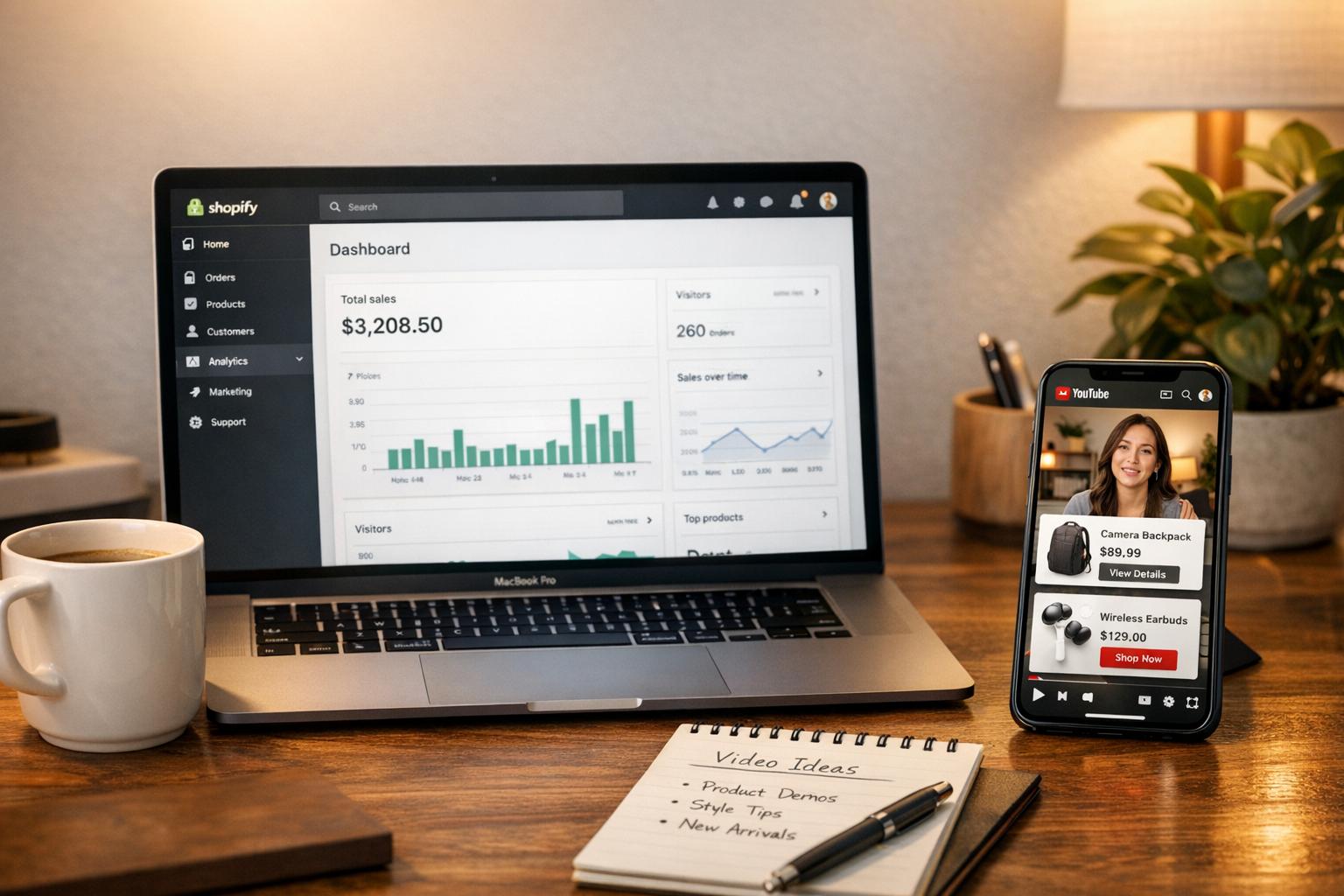
Once you’ve decided where to place your videos, smooth integration is the next step. For Shopify users, UWidget offers a simple way to embed YouTube testimonial videos directly into your store - no coding required. This app supports video galleries, carousel sliders, and sticky videos, earning a perfect 5.0/5-star rating on the Shopify App Store.
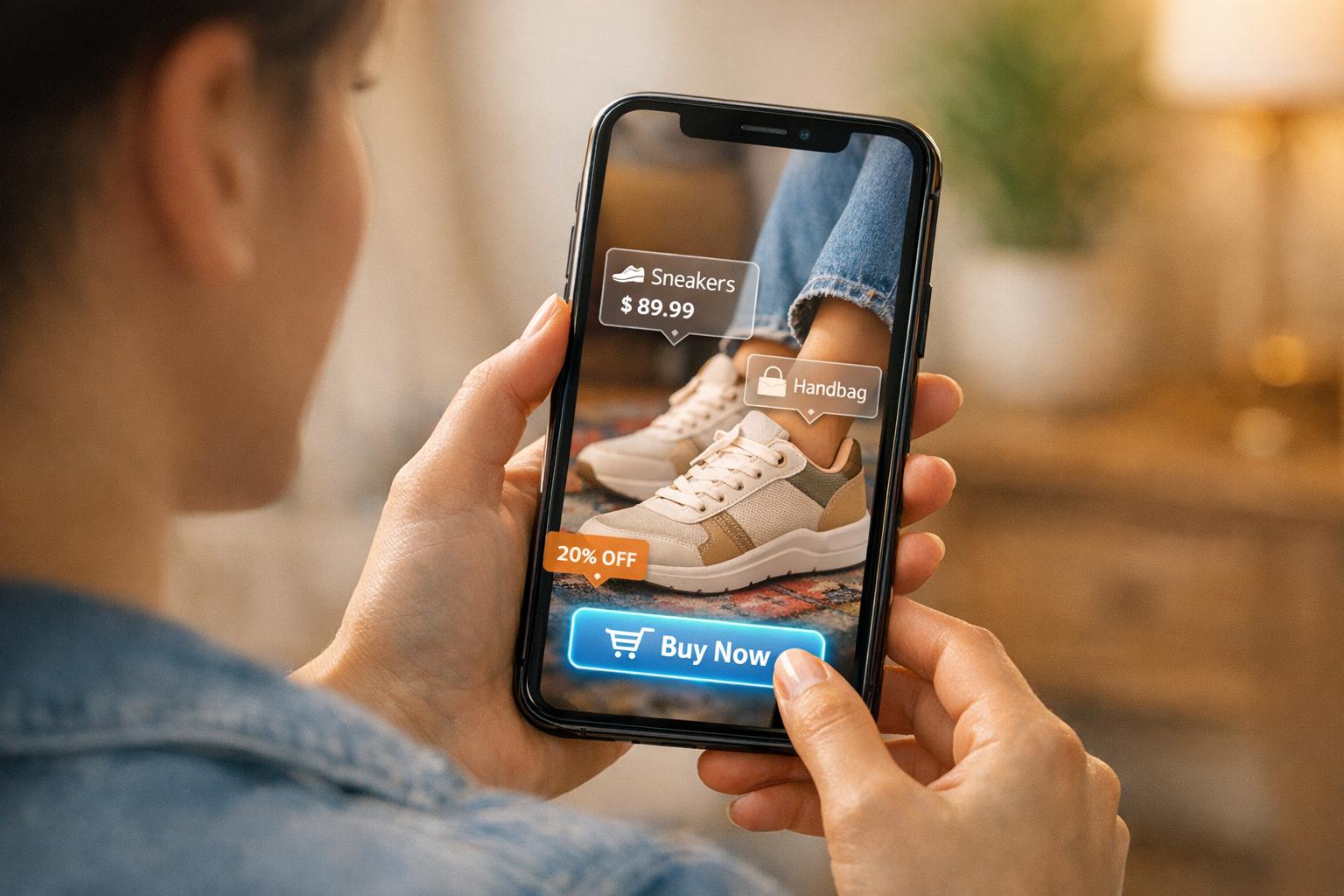
One standout feature of UWidget is its ability to make videos shoppable. You can tag products within the videos, allowing customers to watch testimonials and shop simultaneously, streamlining the buying process. Plus, with thumbnail-first and lazy-loading technology, your video galleries won’t slow down your site.
Here’s the pricing breakdown:
- Starter Plan: $5.99/month (1 widget, 25 videos)
- Pro Plan: $13.99/month (3 widgets, 50 videos)
- Premium Plan: $19.99/month (unlimited widgets and videos)
Tracking Video Performance Metrics
After your videos are live and integrated, keeping an eye on their performance is crucial. Data shows that 60% of video marketers focus on engagement rates, followed by conversion rates (56%) and click-through rates (52%). Key metrics to track include likes, shares, comments, video views, and post-view actions like "Add to Cart" clicks or newsletter sign-ups. These numbers give insight into how your audience interacts with your content.
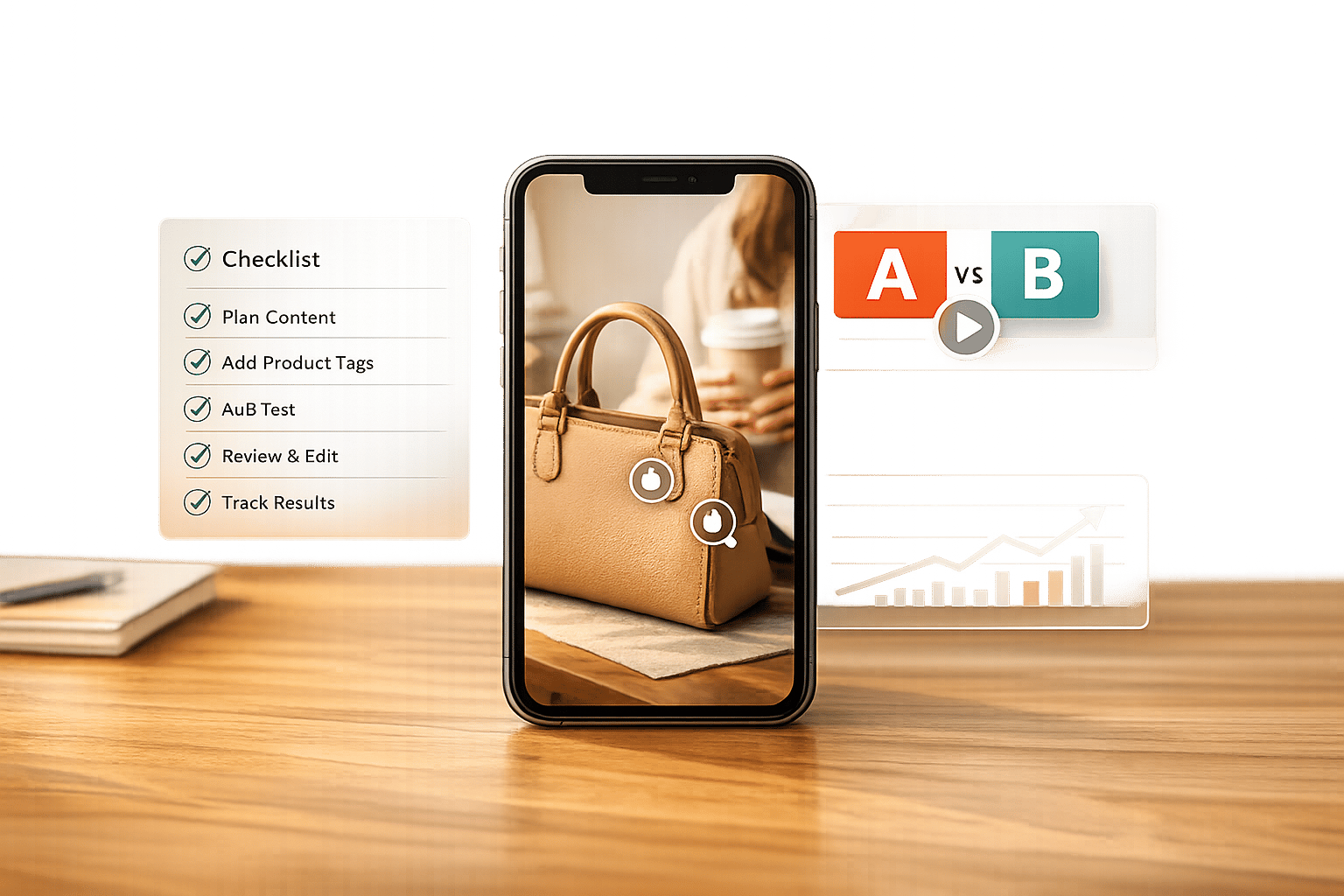
A/B testing is another effective way to measure success. Compare pages with and without testimonial videos to see how they impact sales. Metrics like dwell time (how long visitors stay) and bounce rates can also indicate how engaging your videos are. As Sam Shepler, CEO of Testimonial Hero, puts it:
"When you say it, it's marketing. When your customers say it, it's evidence".
Considering that 89% of consumers say video has convinced them to make a purchase, tracking these metrics ensures your testimonial videos are working hard to maximize your ROI.
Conclusion
Main Points to Remember
Testimonial videos are rooted in trust - an element that resonates strongly with people. In fact, nine out of 10 individuals trust customer testimonials over brand-driven claims. This is social proof in action, demonstrating how real voices can influence decisions.
The secret to creating impactful testimonial videos lies in selecting the right customers. Focus on those who have achieved measurable results and can genuinely share their experiences. Keep the tone conversational and natural, highlighting their journey: the challenge they faced, how your product provided a solution, and the results they achieved.
Strategic placement is another critical factor. Position these videos on pages where potential customers are most likely to make decisions - product pages, checkout pages, and landing pages. These are pivotal moments where testimonials can reduce hesitation. With 84% of viewers reporting they were convinced to make a purchase after watching a brand's video, the right placement can directly influence conversions. This approach sets the groundwork for launching your own testimonial video strategy.
Getting Started with Testimonial Videos
Starting with testimonial videos doesn’t have to be complicated or expensive. Begin by reaching out to customers who’ve already shared positive feedback or achieved notable success with your product. Send them a few open-ended questions in advance to encourage authentic and heartfelt responses.
For Shopify store owners, tools like UWidget can simplify the process. This app allows you to embed and display testimonial videos without needing any coding skills. Features like shoppable videos and lazy-loading technology ensure smooth integration while maintaining fast page speeds. Considering that adding video to a landing page can boost conversions by up to 80%, the potential return on this small investment is impressive.
Start with your strongest customer success stories, experiment with video placements, and track performance metrics. These genuine stories can become a powerful tool for driving real results.
FAQs
How can I make my customer testimonial videos feel authentic and unscripted?
To make your testimonial videos feel natural and relatable, focus on creating a laid-back, conversational atmosphere. Instead of handing over a detailed script, try using open-ended prompts like "What challenges did you have before using our product?" or "How has this solution made a difference in your daily life?" These types of questions encourage customers to share their experiences in their own words.
Pick a setting where the customer feels at ease - ideally somewhere familiar to them. Position the camera at eye level for a more personal feel, and give them some time to get comfortable before you start recording. Let them speak freely, even if there are minor slip-ups. These little imperfections can make the video feel more genuine. If the conversation veers off course, gently steer it back with follow-up questions to keep things focused.
Once your video is complete, you can easily add it to your Shopify store using tools like Fractal Apps’ UWidget. This tool lets you display customer testimonials directly on your product or landing pages, helping you build trust and drive more conversions.
How do I choose the right customers for testimonial videos?
Choosing the right customers is essential for creating testimonial videos that truly resonate. Start by selecting clients who have achieved specific and measurable outcomes with your product - such as increased revenue, reduced workload, or improved conversion rates. These concrete results provide undeniable proof of your product's value. Additionally, choose customers who closely match your ideal buyer persona - whether that's based on their industry, company size, or role - so their story feels relatable to your target audience.
Focus on individuals who are enthusiastic, well-spoken, and comfortable in front of a camera. This ensures the interview feels natural and engaging, rather than forced. To keep things fresh and avoid redundancy, aim to feature a variety of customers and use cases. This approach highlights different perspectives and demonstrates the flexibility of your product.
Before moving forward, confirm that your chosen customers are willing to participate, grant permission for public use of the video, and can commit to a quick, efficient filming process. Respecting their time while ensuring their enthusiasm will make the production smoother for everyone involved.
By focusing on authenticity, relatability, and diverse stories, you’ll create testimonial videos that not only engage viewers but also build trust in your brand.
Where should I place customer testimonial videos for maximum impact?
Placing customer testimonial videos strategically can make a big difference in building trust and driving conversions. Key spots to feature these videos include the homepage hero section - perfect for creating an immediate sense of credibility - product pages near descriptions or the Add to Cart button, and checkout pages to reassure buyers right before they finalize their purchase. They also work well in email campaigns, such as welcome emails or abandoned cart reminders, and on dedicated landing pages tailored for specific promotions.
Want to expand their impact? Repurpose these videos for platforms like Instagram, TikTok, or YouTube, or even use them in paid ads. This approach not only broadens their reach but also keeps your brand message consistent throughout the buyer’s journey. By placing testimonial videos at key decision points, you create a smooth, persuasive shopping experience that resonates with customers.