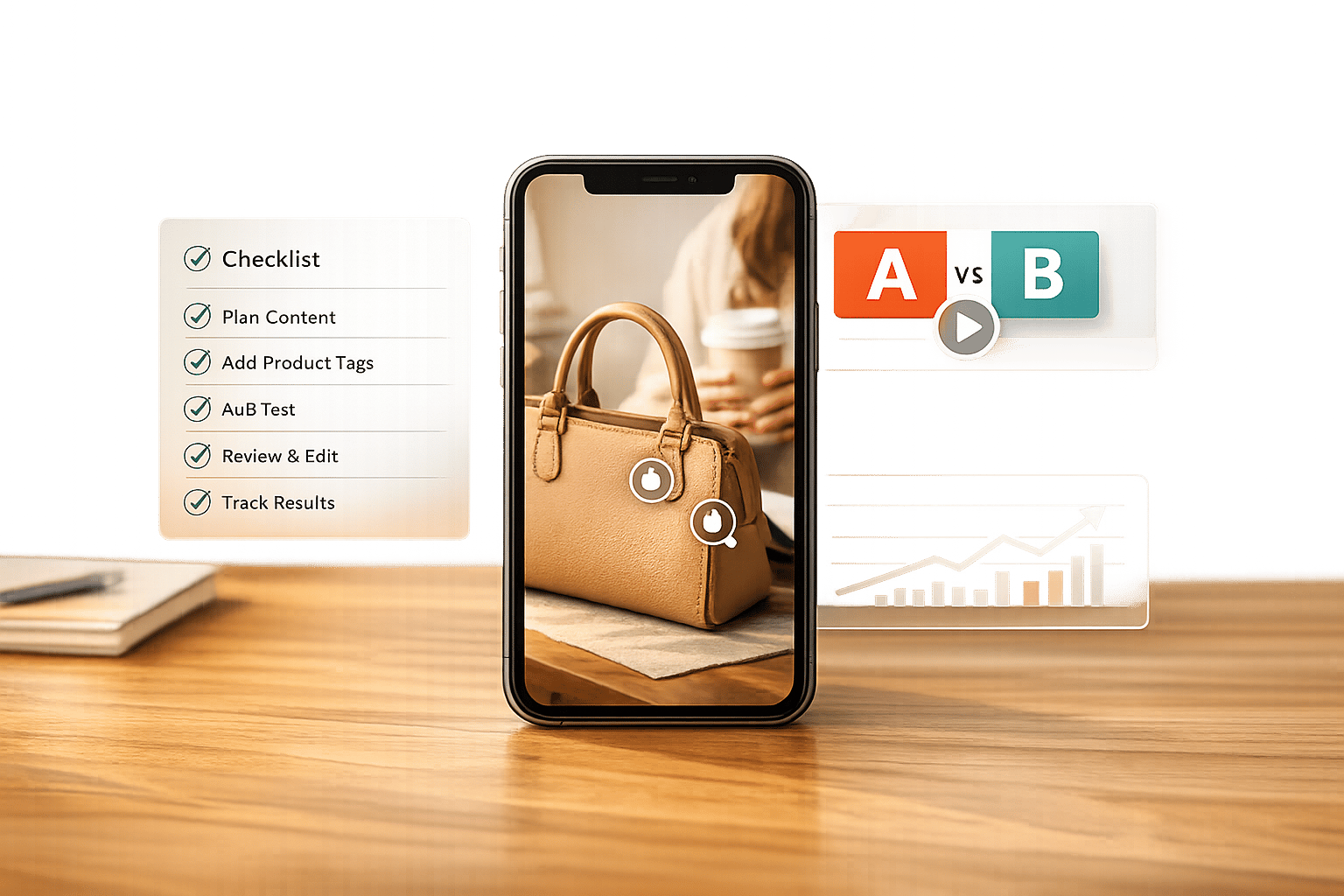
Interactive video upsells are transforming e-commerce in 2026. Why? They combine shopping and video content, letting customers purchase directly while watching. With conversion rates as high as 30% (compared to the 3% industry average), they’re a must-have for Shopify stores aiming to boost revenue.
Key benefits include:
- Increased engagement: Interactive videos get 66% more interaction and 44% longer watch times than static content.
- Higher sales: Features like "Add to Cart" buttons within videos simplify the buying process, reducing friction.
- Personalized experiences: Tools like branching narratives and AI recommendations tailor content to individual preferences.
- Actionable insights: Analytics track viewer behavior, helping you refine strategies for better results.
To succeed, focus on mobile optimization, use shoppable hotspots, and integrate with Shopify apps like UWidget for easy setup. Interactive videos aren’t just a trend - they’re redefining how people shop online.
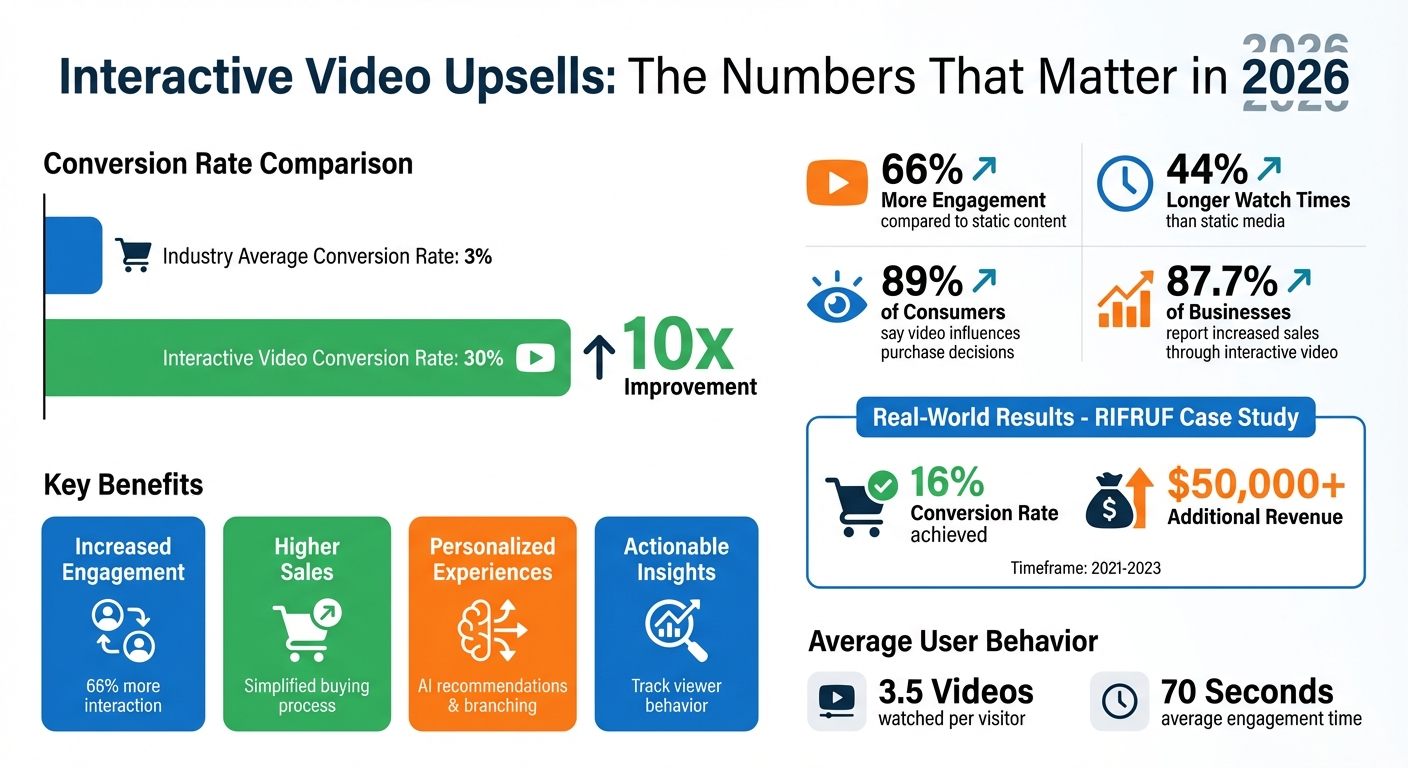
Interactive Video Upsells Performance Statistics and Benefits for E-commerce 2026
Watch and Shop: How to sell direct through interactive video
Why Interactive Video Upsells Matter in 2026
E-commerce has evolved, leaving static videos behind in favor of interactive ones that let customers click, explore, and purchase in real time. This approach collapses the traditional sales funnel - awareness, consideration, and purchase now happen in a single, seamless interaction. The result? Dramatic improvements in conversion rates for brands that embrace this shift.
To put it into perspective, the average e-commerce conversion rate sits at around 3%. Meanwhile, interactive shoppable videos boast an impressive 30% conversion rate - a tenfold increase. Take RIFRUF, a dog footwear brand, as an example. Between 2021 and 2023, they used interactive video to explain why dogs need shoes. In just six months, they achieved a 16% conversion rate and generated over $50,000 in additional revenue. The key? Customers could add products to their cart the moment they understood the product’s value.
"Shoppable video is a revenue system, not a feature."
- Moast Team
In today’s fast-paced e-commerce landscape, momentum is everything. Every extra click between interest and purchase risks losing a potential customer. Interactive videos eliminate that friction by embedding purchase options directly into the content, making the buying process effortless.
These videos also provide detailed analytics, offering insights into viewer behavior that can fine-tune upsell strategies. You’ll know which products viewers clicked on, where they dropped off, and what ultimately led to a purchase. This level of data takes the guesswork out of upselling, allowing you to base decisions on real customer actions instead of assumptions.
1. Use Personalized Video Content for Upsells
Personalization Capabilities
Generic videos just don’t cut it anymore. By using branching narratives, you can let viewers tailor their experience. For example, they could choose between "Men's" and "Women's" styles or pick options like "Sensitive Skin" versus "Anti-Aging" products. This "choose your own adventure" style ensures that customers only see what fits their needs, steering clear of irrelevant suggestions that could derail their interest.
A great example comes from Crate and Barrel’s 2023 collaboration with US Weekly. They created an interactive video where viewers answered questions about their preferences, leading to personalized wedding registry recommendations. The magic wasn’t in over-the-top production values - it was in giving viewers the power to shape their own experience by choosing what mattered to them.
To take it further, you can embed shoppable hotspots that turn engagement into instant purchases.
Interactive Features
Interactive features take personalization to the next level by prompting immediate action. With shoppable hotspots, you can transform a passive viewing experience into a direct shopping opportunity. Instead of forcing customers to search manually, clickable elements appear right when a product is being showcased. This well-timed approach avoids overwhelming viewers with too many options at once, focusing on the right product at the right moment.
These interactive videos consistently lead to higher conversion rates because they eliminate unnecessary steps. Customers can add items to their cart the second they see the value of a product, all without leaving the video.
Performance Tracking and Analytics
It’s not just about views anymore. To truly understand what works, track metrics like click-through rates on interactive elements, average order value from video viewers, and revenue generated directly from video interactions. These insights help pinpoint where customers are engaging and where they’re losing interest. By analyzing this data, you can fine-tune your upsell strategies - choosing better timing and products based on real user behavior instead of guesswork.
2. Add Interactive Call-to-Actions (CTAs) to Drive Engagement
Interactive Features
Interactive elements can turn passive viewers into active shoppers. One standout feature is shoppable hotspots - clickable points in a video that let customers view product details or add items directly to their cart without interrupting playback. Sticky hotspots take this a step further by following the product as it moves across the screen, ensuring the buying option stays visible.
Another game-changer is direct-to-cart buttons, which cut down on unnecessary steps between deciding to buy and completing the purchase. By simplifying the process, these buttons often lead to higher conversion rates.
For these features to succeed, they must work flawlessly on mobile devices.
Mobile Optimization
With most shopping happening on smartphones, making your CTAs mobile-friendly is critical. Design buttons that are large enough for easy tapping and spaced out to avoid accidental clicks. Videos in vertical or square formats tend to perform better on mobile screens, and product tags should be positioned for easy thumb access.
Performance Tracking and Analytics
Designing engaging CTAs is just the beginning - measuring their effectiveness is equally important. Use analytics to track metrics like click-through rates and revenue generated from video interactions. This data can reveal what works best. For instance, if a product tag at the 12-second mark gets clicks but one at 30 seconds doesn’t, you’ll know where to focus your efforts.
A/B testing is another powerful tool. Experiment with different CTA phrases - like "Buy Now", "Add to Cart", or "Shop This Look" - to see which resonates most with your audience.
"Interactive videos drive 66% more engagement and 44% longer viewing time than static media." - Shreelekha Singh, Content Writer, Videowise
3. Use AI-Powered Video Recommendations
Personalization Capabilities
AI takes personalization to the next level by analyzing real-time customer behavior and adjusting recommendations on the fly. It doesn't just suggest content - it actively adapts viewing paths based on user interactions. For example, embedded quizzes and polls within videos can gather precise customer preferences, leading to highly relevant product suggestions. This dynamic approach works seamlessly with your Shopify store's data, creating smarter upsell opportunities.
Integration with E-Commerce Platforms
Top-tier AI tools integrate directly with Shopify, pulling live product details to ensure that video recommendations are always accurate and up-to-date. Even better, customers can add items to their cart without leaving the video, streamlining their shopping experience and reducing the risk of abandoned carts. This kind of seamless integration lays the groundwork for more precise, data-driven recommendations.
Performance Tracking and Analytics
AI tools also provide robust tracking capabilities. They can measure click-through rates on interactive video hotspots, analyze viewer engagement using heatmaps, and even attribute revenue to specific video interactions. These insights give you a clear picture of how AI-powered videos contribute to higher conversions and increased sales.
"Interactive videos can be your silver bullet in crowded retail markets where you're up against fierce competition. These videos deliver immersive shopping experiences to convert casual browsers into high-intent shoppers." – Videowise
4. Optimize Videos for Mobile Devices
Mobile Optimization
Since a large portion of Shopify traffic comes from mobile devices, it's crucial to ensure your interactive video upsells work seamlessly on smartphones. To achieve this, design videos in vertical (9:16) or square (1:1) formats. These dimensions naturally fit smartphone screens, whereas horizontal videos might require users to rotate their devices or view a smaller display, which can hurt engagement.
"Most Shopify traffic is mobile. Shoppable video that looks great on desktop but breaks on mobile will quietly kill revenue potential." – Moast Team
Technical performance is just as important as format. To keep loading times quick, compress your videos and use techniques like asynchronous or lazy loading. This ensures videos don’t interfere with critical elements such as product titles or 'Add to Cart' buttons. A faster, smoother experience is especially vital for users on slower mobile networks.
Interactive Features
Mobile screens and touch interfaces demand a different strategy than desktops. Interactive elements like product tags, hotspots, and call-to-action (CTA) buttons should be large enough to tap easily on smaller screens. Avoid using tiny text overlays that become unreadable on mobile devices. Instead, consider implementing sticky video players that stay visible as users scroll. This keeps your upsell opportunities accessible without disrupting the browsing experience.
Another effective tactic is enabling customers to add items to their cart directly from the video player. This removes the need to navigate away from the content, reducing friction at the moment of peak purchase intent. Such streamlined interactions can significantly boost conversion rates, potentially reaching 30% - a massive leap compared to the industry average of 3%.
sbb-itb-d9e5b3a
5. Add Interactive Video Widgets to Checkout Upsells
Interactive Features
The checkout stage is a prime opportunity to introduce video-based upsells, as purchase intent is at its highest. By using shoppable hotspots as the foundation for checkout widgets, you can create an engaging experience. Sticky hotspots ensure that CTAs stay visible throughout the video, keeping the focus on your offer.
Features like in-video "Add to Cart" buttons simplify the process by syncing directly with your store's inventory, allowing customers to make purchases instantly without navigating away. You can also enhance the experience by adding overlays that display CTAs, images, or extra product details at strategic moments. Time triggers can be used to show product tags exactly when the items appear in the video. Together, these interactive tools create a smooth and engaging shopping experience.
Integration with E-Commerce Platforms
Once your interactive features are ready, the next step is to ensure they integrate smoothly with your e-commerce platform. Many modern video widgets offer direct connections to platforms like Shopify. With one-click account linking, these tools sync your product catalog, pulling in names, SKUs, and pricing automatically - no need for manual updates. For Shopify Plus users, Checkout UI extensions allow you to embed interactive videos directly into the checkout process, making pre-purchase offers more accessible.
Apps such as UWidget make integration even easier. Using embeddable code snippets, you can place widgets on product pages, homepages, or even post-purchase sections. Plans start at $5.99/month for one widget with 25 videos, scaling up to $19.99/month for unlimited widgets and videos. Additionally, asynchronous loading ensures these videos don’t slow down critical page elements like checkout buttons, keeping your site fast and efficient.
Performance Tracking and Analytics
To measure the success of your checkout videos, use tools like engagement heatmaps to see where viewers are watching, skipping, or dropping off. Track key metrics such as click-through rates on hotspots and revenue generated from video interactions. These insights can help you refine your upsell strategy. For example, brands like Apolla and RIFRUF have used checkout videos to achieve conversion rates between 7–9.9%, driving impressive revenue growth.
6. Track Performance with Video Analytics
Performance Tracking and Analytics
Interactive video upsells are great for boosting conversions, but to truly understand their impact, you need solid analytics. Start by focusing on two key revenue types: direct revenue and influenced revenue. Direct revenue happens when a video click leads straight to a purchase. Influenced revenue, on the other hand, occurs when someone watches at least 5 seconds of your video and completes a purchase later in the same session - even if they skip the in-video checkout.
To get the full picture, track the entire conversion funnel: View → Interact → Add to Cart → Purchase. Dive into engagement metrics like average watch time, hotspot interactions, completion rates, and extra time spent on your site. These numbers help pinpoint how and where your videos are driving sales. On average, visitors watch 3.5 videos, spending about 70 seconds engaging with content. These insights are crucial for understanding how your videos perform.
Beyond engagement, keep an eye on operational metrics such as average order value (AOV), return on investment (ROI) for videos, and customer acquisition cost (CAC). Breaking down your data by factors like device type (mobile vs. desktop), audience location, and widget placement can reveal which combinations deliver the best results.
Using A/B testing is another smart move. Compare interactive videos to standard linear ones to measure how much they improve engagement and conversions. Heatmaps offer even deeper insights, showing where viewers rewatch, skip, or drop off, so you can fine-tune your content. Additionally, tracking extra time spent on your site gives a clear view of how much more engaged your audience becomes after watching your videos.
"Traditional tools used to host and manage the videos on a Shopify website cannot track essential video engagement and conversion metrics. Without this critical information, it can be challenging to determine the impact of your website videos." - Liana Turbureanu, Videowise
7. Use Shopify Apps like UWidget for Easy Integration
Integration with E-Commerce Platforms
UWidget connects directly with Shopify Admin and YouTube, making setup quick and simple. You can install it through the Shopify App Store and start publishing widgets in just a few minutes using a YouTube URL. This straightforward process opens the door to dynamic interactive features.
Interactive Features
Once integrated, UWidget gives you the ability to tag products directly within your videos. It supports shoppable YouTube videos and Shorts, offering layouts like video galleries, carousel sliders, video grids, sticky videos, and video banner backgrounds. The sticky video player is particularly handy, keeping promotional videos visible while customers scroll through product descriptions.
"I am pleased with this app. It allows shorts and videos to be displayed and easily integrated on my e-commerce store."
- Wholesale Nursery Co merchant, United States
Mobile Optimization
With mobile usage being crucial, UWidget ensures responsive performance by using thumbnail-first widgets and lazy loading. This approach guarantees a smooth and fast experience on any device.
Performance Tracking and Analytics
UWidget also includes built-in engagement tracking, letting you see how customers interact with your video content. These insights help identify which videos are driving engagement and conversions, enabling you to adjust your strategy effectively. Pricing starts at $5.99/month for the Starter plan (1 widget, 25 videos) and goes up to $19.99/month for the Premium plan. A 7-day free trial is available, making it an affordable way to enhance your store's functionality.
How to Choose the Right Tools for Interactive Video Upsells
When selecting tools for interactive video upsells, look for options that integrate seamlessly with your primary content platform, whether it’s YouTube, TikTok, or Instagram. For example, UWidget is a standout for YouTube, offering features like carousels, sliders, and sticky video players. If your focus is on TikTok, Instagram, or other platforms, opt for tools that can automatically pull and organize your social media content effectively. This aligns with the goal of ensuring smooth integration and maintaining mobile-friendly performance.
Speed is critical, especially for mobile users. Tools that support lazy loading and thumbnail-first widgets can help keep page load times quick. Since interactive videos generate 66% more engagement than static media, it’s crucial to test how these tools handle touch interfaces. Features like hotspots and menus should work fluidly on both smartphones and tablets.
Another key feature to prioritize is product tagging within videos. Tools that sync directly with your Shopify catalog and support direct-to-cart functionality make the buying process smoother. This can lead to impressive conversion rates, with some companies reporting rates nearing 30%.
Analytics are equally important for refining your strategy over time. Look for tools that track metrics like video-assisted conversion rates, average order value from video interactions, and engagement stats such as viewing time and click-through rates. These insights remove the guesswork from optimizing your approach. UWidget, for example, includes engagement tracking in all its pricing tiers.
Finally, ensure the tool allows for customization to match your brand’s identity. Features like custom CSS, branded video players, and adjustable colors and fonts can make a big difference. Tools offering free trials, like UWidget’s 7-day trial, give you the chance to test their performance with your specific products and audience. Considering that 87.7% of businesses report increased sales through interactive video content, choosing the right tool can have a substantial impact on your revenue.
Conclusion
Interactive video upsells are shaping up to be a game-changer for Shopify stores in 2026. With shoppable videos delivering conversion rates nearing 30% - a stark contrast to the 3% industry average - the potential is hard to ignore. By combining personalization (tailoring product suggestions), interactivity (enabling purchases directly within the video), and analytics (measuring what drives sales), you create a smoother, more direct shopping journey for your customers.
The numbers back this up. Interactive videos generate 66% more engagement and hold viewers' attention 44% longer than static media. Plus, 89% of consumers say watching a video has influenced their decision to buy. Leading brands have already seen these benefits firsthand.
For best results, keep videos short - 15 to 45 seconds works best. Use clear calls-to-action like "Add to Cart", and place videos strategically where purchase decisions happen. Interestingly, content created by real customers often outperforms professional studio productions by building trust more quickly.
With interactive video software revenues expected to triple by 2032, now is the time to act. Start by ensuring your videos are optimized for mobile, integrate personalized product recommendations, and focus on key metrics like revenue influenced by videos and click-through rates on product tags. The tools are available, the data supports the approach, and shoppers are ready for a more engaging, seamless experience.
FAQs
Why are interactive video upsells so effective at driving conversions?
Interactive video upsells work so well because they pull viewers in, letting them interact directly with the content through clickable elements, hotspots, and tailored pathways. This hands-on approach creates a more engaging shopping experience, encouraging users to dive deeper into products and make smarter buying choices.
By giving viewers control, these videos adapt to individual preferences, making the shopping process feel natural and easy. This tailored experience doesn’t just grab attention - it helps build trust, which often translates into better conversion rates.
Why are interactive videos more engaging than traditional static content?
Interactive videos grab attention by inviting viewers to actively participate, creating a sense of involvement. With features like clickable hotspots, branching paths, and in-video questions, users can explore content or products in real-time, shaping the experience around their preferences. This tailored approach not only keeps viewers engaged but also makes the content stick in their minds.
These videos also deliver strong results. They often lead to longer viewing times and higher conversion rates. For eCommerce, they’re particularly powerful - customers can interact directly with products, providing a seamless and engaging way to shop that encourages immediate action.
What are the best ways to optimize interactive videos for mobile users?
To create an enjoyable experience for mobile users, start with a mobile-first approach. This means designing vertical, portrait-oriented videos that fit perfectly on smartphone screens. This layout feels natural on mobile devices, making the experience more engaging and intuitive.
To ensure smooth playback, focus on optimizing video performance. Compress video files for quicker loading times, and stick to the MP4 format with the H.264 codec for compatibility. Use lightweight thumbnail formats like WebP or AVIF, and consider implementing lazy loading to reduce the initial loading burden. These steps can make a big difference in keeping users engaged.
Another important tip? Grab attention fast. Introduce interactive elements within the first 5–15 seconds of the video. Mobile users often expect quick and easy interactions, so capturing their interest early can significantly improve engagement.